Last Dream Font: A Bold, Handwritten Style for Creative Designs
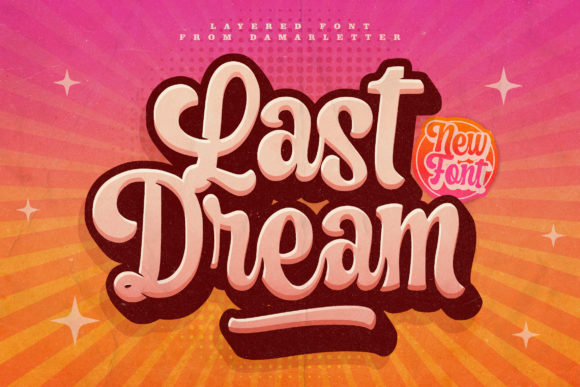
When it comes to choosing the right font for your design project, you want something that stands out but still feels natural. Enter Last Dream, a bold, thick lettered, handwritten font with a vintage style that brings a unique flair to any creative endeavor. Its strong lettering and nostalgic charm make it an excellent choice for a wide range of applications, from branding to personal projects.
Last Dream isn’t just another font; it’s a visual statement. The thick strokes and slightly irregular lines give it a handcrafted feel, making it ideal for designs that need a touch of authenticity. Whether you're designing a logo, a poster, or even packaging, this font can add character and personality without overwhelming the overall look.
Real-World Applications of Last Dream
The versatility of Last Dream makes it suitable for various industries and purposes. Let’s explore some practical scenarios where this font shines:
- Branding and Logos: For businesses looking to establish a vintage or retro brand identity, Last Dream can be used in logos to evoke nostalgia while maintaining a strong visual presence.
- Event Invitations: Wedding invitations, birthday cards, or event flyers benefit from the warm, handwritten aesthetic of Last Dream. It adds a personal touch that digital fonts often lack.
- Product Packaging: From boutique labels to artisanal products, using Last Dream on packaging can create a sense of craftsmanship and uniqueness that appeals to consumers.
- Web Design: In web design, this font works well for headings or call-to-action buttons. Its boldness ensures readability, while its vintage style adds visual interest.
- Personal Projects: Artists and hobbyists can use Last Dream in scrapbooking, greeting cards, or even as part of a DIY home decor project to add a stylish, handcrafted element.
Who Benefits Most from Using Last Dream?
While Last Dream is appealing to many, certain audiences find it particularly useful. Here are a few groups that might consider incorporating this font into their work:
- Graphic Designers: Those who specialize in print or digital media may appreciate the font’s ability to convey emotion and character in their designs.
- Small Business Owners: Entrepreneurs running boutique stores, cafes, or craft shops can use Last Dream to build a distinctive brand image that resonates with customers.
- Event Planners: Incorporating this font into invitations, signage, or promotional materials can help create a cohesive and memorable theme for events.
- Artists and Creatives: Anyone involved in creating art, illustrations, or handmade goods can leverage the font’s vintage charm to enhance their work.
Each of these users has different needs, but they all share a common goal: to create something visually engaging and meaningful. Last Dream helps them achieve that by offering a font that is both functional and expressive.
Practical Examples of Last Dream in Action
Let’s take a closer look at how Last Dream can be applied in real-life situations:
Example 1: Vintage-Inspired Branding
A local bakery wants to create a brand that feels nostalgic yet modern. They choose Last Dream for their logo and packaging, giving their brand a warm, handcrafted appeal that attracts customers looking for authenticity.
Example 2: Personalized Greeting Cards
An independent artist sells custom greeting cards online. By using Last Dream in her designs, she adds a personal and artistic touch that sets her cards apart from mass-produced alternatives.
Example 3: Event Signage
For a themed wedding, the planner uses Last Dream on all the signage, including table numbers and menus. The font complements the event’s vintage aesthetic and enhances the overall experience for guests.
Example 4: Website Headings
A blog about retro fashion uses Last Dream for headlines and subheadings. The font gives the site a unique look that aligns with its content and engages readers visually.
Considerations Before Using Last Dream
While Last Dream offers many benefits, there are a few things to keep in mind before using it:
- Legibility: Although the font is bold and attention-grabbing, it may not be the best choice for long blocks of text due to its stylized nature. Use it sparingly for headings or short phrases.
- Color Contrast: Because of its thickness and vintage style, pairing Last Dream with the right color palette is important. Light colors on dark backgrounds or vice versa can enhance its visibility.
- Design Balance: This font has a strong presence, so it should be balanced with simpler fonts in the rest of the design to avoid clutter.
- File Formats: Ensure you have the correct file format for your project (e.g., .ttf or .otf) and check licensing terms if you're using it commercially.
These considerations will help you get the most out of Last Dream while avoiding potential pitfalls.
Strengths and Limitations of Last Dream
No font is perfect for every situation, and Last Dream is no exception. Here’s a quick breakdown of its strengths and limitations:
Strengths:
- Vintage style that adds character and nostalgia.
- Bold, thick lettering that commands attention.
- Versatile enough for multiple design applications.
- Handwritten feel that feels personal and authentic.
Limitations:
- May not be ideal for small text sizes due to its thickness.
- Limited use in body text because of its stylized appearance.
- Requires careful pairing with other fonts to maintain visual harmony.
Despite these limitations, Last Dream remains a powerful tool for designers and creators who want to infuse their work with personality and charm.
Whether you're working on a commercial project or a personal creation, Last Dream offers a unique way to express your vision. Its bold, vintage-inspired style can elevate your designs and leave a lasting impression on your audience.