The Timeless Appeal of Handwriting: A Classic Style with Modern Relevance
Handwriting has long been celebrated for its unique charm and elegance. Unlike the uniformity of printed text, handwriting carries a personal touch that can convey emotion, personality, and individuality. Whether it's a handwritten note, a signature, or a creative design, the style of handwriting remains a powerful tool in both artistic and practical contexts. In today’s digital age, where most communication is done through screens, the value of handwriting has not diminished—it has evolved.
What Is Handwriting and What Makes It Distinct?
Handwriting refers to the practice of forming letters, words, and sentences using a writing instrument such as a pen, pencil, or stylus on a surface like paper or a digital tablet. Each person's handwriting is unique, shaped by factors such as education, cultural background, and personal preference. This uniqueness is what makes handwriting so distinct from other forms of text presentation.
Compared to typed text, handwriting often feels more intimate and authentic. It can evoke nostalgia, express creativity, and add a human element to communication. For instance, a handwritten birthday card can feel more personal than an email, and a signed document may carry more weight when written by hand.
The Artistry of Handwriting
Handwriting is not just about conveying information—it's also an art form. Many people develop their own distinctive styles, ranging from cursive to block letters, each with its own aesthetic appeal. Some individuals even pursue calligraphy as a hobby or profession, creating beautiful scripts that are used for invitations, artwork, and branding.
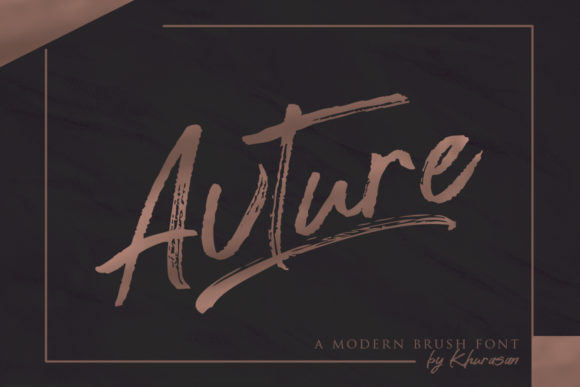
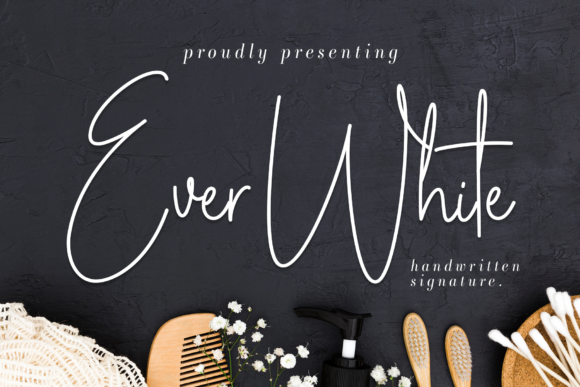
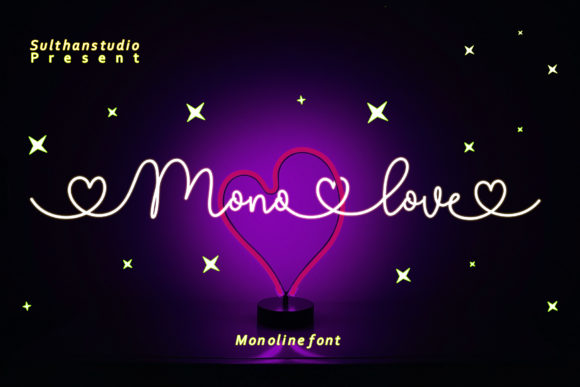
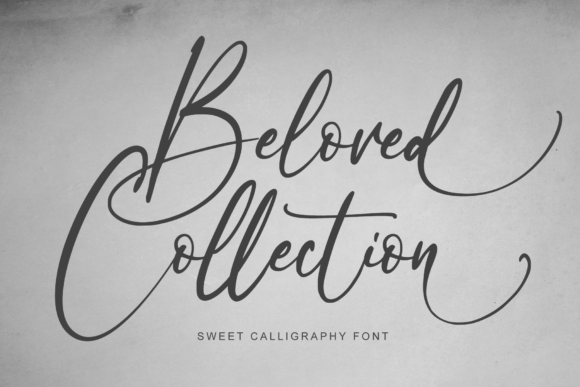
When considering the use of handwriting in design, it stands out for its ability to add character and warmth. Unlike standard fonts, which can appear lifeless or overly formal, handwriting introduces a sense of movement and fluidity. This makes it ideal for logos, branding elements, and creative projects that aim to stand out.
How Does Handwriting Compare to Other Options?
While handwriting has its own set of advantages, it's important to consider how it stacks up against alternatives such as digital fonts, typewritten text, and other forms of written expression. Each option has its place depending on the context and purpose.
Digital fonts offer consistency and ease of use, especially in professional settings where uniformity is key. They are also more accessible for large-scale printing or online publishing. However, they lack the personal touch that handwriting provides. In contrast, handwriting brings a sense of authenticity and individuality that can be particularly valuable in marketing materials, greeting cards, and personalized gifts.
Typewritten text, while more structured than handwriting, still lacks the organic feel of a handwritten note. It sits somewhere between the spontaneity of handwriting and the precision of digital fonts. For many, this middle ground may be suitable for certain applications but doesn't quite capture the emotional resonance of handwriting.
Best-Fit Situations for Handwriting
Handwriting excels in situations where personalization and emotional connection are important. Here are some scenarios where it might be the right choice:
- Personal Communication: Handwritten letters, thank-you notes, and birthday cards create a deeper connection with the recipient.
- Creative Design: Handwriting adds a unique flair to logos, packaging, and promotional materials, making them more memorable.
- Artistic Expression: Calligraphy and decorative handwriting are widely used in art, stationery, and graphic design.
- Signature Authentication: Handwritten signatures are often preferred for legal documents, contracts, and official correspondence due to their perceived authenticity.
However, there are also cases where handwriting may not be the best option. For example, in fast-paced business environments where speed and efficiency are crucial, typing may be more appropriate. Similarly, if you need to produce a large volume of text consistently, digital fonts will be more practical.
Evaluating the Strengths and Tradeoffs of Handwriting
One of the greatest strengths of handwriting is its ability to convey emotion and personality. It allows for expressive strokes, varying pressure, and unique letter formations that reflect the writer's mood and style. This can make handwritten messages feel more genuine and heartfelt compared to typed ones.
Another advantage is the tactile experience associated with handwriting. Writing by hand engages different parts of the brain than typing, which can enhance memory retention and focus. Studies have shown that students who take notes by hand tend to retain information better than those who type their notes.
Despite these benefits, there are tradeoffs to consider. Handwriting can be time-consuming, especially for lengthy texts. It also requires a level of skill and practice to produce neat and legible results. Additionally, in a world increasingly dominated by digital communication, handwriting may not always be the most convenient option.
When to Choose Handwriting Over Alternatives
Deciding whether to use handwriting depends on several factors, including the intended audience, the message being conveyed, and the medium being used. If you're targeting an audience that values personal connections and authenticity, handwriting could be an excellent choice. It can also be effective in creative fields where originality and uniqueness are highly valued.
On the other hand, if your goal is to communicate clearly and efficiently, especially in a professional or academic setting, digital fonts may be more appropriate. They ensure clarity, consistency, and readability, which are essential in formal communication.
In summary, handwriting is best suited for situations where personalization, emotional connection, and artistic expression are important. However, it's not without its limitations, and understanding these can help you make a more informed decision about when to use it.
Practical Examples and Real-World Applications
Let's look at a few real-world examples to see how handwriting is used effectively:
- Branding and Marketing: Many small businesses use handwritten fonts in their logos and packaging to create a warm, approachable image. This can be particularly effective in industries like food, fashion, and lifestyle.
- Education: Teachers often encourage students to write by hand to improve their learning and memory. Handwritten notes and journals are also popular tools for self-reflection and organization.
- Wedding Invitations: Handwritten invitations add a special touch to wedding events, making guests feel more connected to the couple and the occasion.
- Journaling and Personal Development: Keeping a handwritten journal is a popular way to track thoughts, goals, and progress. The act of writing by hand can be meditative and therapeutic.
These examples illustrate how handwriting can be applied in various contexts, from commercial to personal use. Its versatility makes it a valuable tool for anyone looking to add a personal or artistic element to their work.
Ultimately, the decision to use handwriting comes down to the specific needs of the situation. While it may not be the best choice for every scenario, its charm, elegance, and ability to convey emotion make it a timeless and enduring form of expression.